As your child grows from a toddler into a confident preschooler, it’s completely natural for thoughts to turn toward primary school. Parents often ask us: “Should we be doing daily phonics flashcards at home?” or “When will they start practicing formal handwriting?”
There is a widespread myth that “school readiness” means sitting quietly at a desk, tracing letters on worksheets, or memorizing numbers early. But modern early years research—and years of practical experience—tells a very different story.
At Maxxi Childcare, we ditch the rigid worksheets in favor of purposeful, child-led play. Here is why true school readiness is built on emotional resilience, independence, and social confidence—and how play prepares your child better than any sit-down drill ever could.
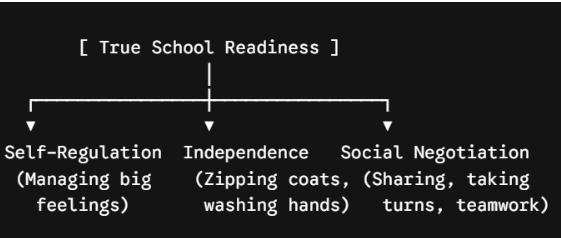
The Real Building Blocks of School Readiness
When Reception teachers are asked what they hope to see on a child’s first day of school, they rarely ask for early reading or perfect handwriting. Instead, they look for foundational life skills that allow learning to happen naturally.
1. Emotional Self-Regulation & Resilience
A child cannot focus on learning their ABCs if they feel overwhelmed, anxious, or unable to manage big emotions.
How play builds it: Through imaginative play and creative challenges, children experience small triumphs and mild frustrations in a safe setting. They learn how to bounce back when a block tower falls, wait for a turn, and express their feelings verbally.
2. Independence & Self-Care
Being ready for school means navigating a classroom environment with confidence. Can your child put on their own coat? Fasten their shoes? Recognize their own belongings? Ask for help when they need it?
- How play builds it: Our daily routines encourage children to take ownership of their day—from choosing their own play activities to clearing away their lunch plates and dressing for outdoor play.
3. Social Negotiation & Communication
School is a shared social world. Children who can share ideas, resolve minor conflicts with peers, and collaborate on a task thrive when they move into Reception.
- How play builds it: When building a cardboard fort or playing in the home corner, children actively practice active listening, compromise, turn-taking, and problem-solving through play-based negotiation.
Why Play-Based Learning Beats Worksheets Every Time
It can be tempting to view worksheets as “real work” and play as just a break. But in early childhood, play is the highest form of research.
| Worksheets & Rote Drilling | Play-Based Learning at Maxxi |
|---|---|
| Pencil grip: Tracing dotted lines on paper. | Hand strength: Pinching playdough, squeezing spray bottles, using tweezers, and climbing—building the actual hand muscles required for handwriting later. |
| Phonics: Memorizing letter flashcards. | Language richness: Rich storytelling, nursery rhymes, conversation during meal times, and sound-matching games that build deep auditory awareness. |
| Maths: Writing number symbols 1–10. | Spatial concept: Counting real pinecones, measuring water at the sensory table, and exploring shapes while building towers. |
“Children don’t learn to write by holding a pencil too early; they learn to write by developing strong core muscles, grip strength, and a rich imagination to express.”
How We Prepare Your Child at Maxxi Childcare
Our practitioners carefully construct learning environments that look like pure fun to a child, but are backed by deep educational purpose:
- Loose-Parts Play: Using natural items (wood slices, stones, fabric) encourages abstract thinking, problem-solving, and creativity far more than single-use plastic toys.
- Mark-Making in the Wild: We encourage writing everywhere—painting with water and big brushes outdoors, drawing in sand, or making signs for a pretend shop. This builds enthusiasm for writing without pressure.
- Child-Led Curiosity: When learning stems from what a child is naturally fascinated by—whether that’s dinosaurs, space, or mini-beasts—their capacity to focus and absorb concepts skyrockets.
Trust the Process
When your child comes home from Maxxi Childcare with paint on their sleeves and mud on their boots, rest assured: they have spent their day working hard.
By prioritizing emotional security, physical capability, and social confidence over academic drilling, we are giving your child the ultimate gift: a strong foundation and a lifelong love for learning.
Want to learn more about our preschool curriculum?
Chat with your child’s key person at pick-up or ask us for a copy of our early learning framework during your next visit!