
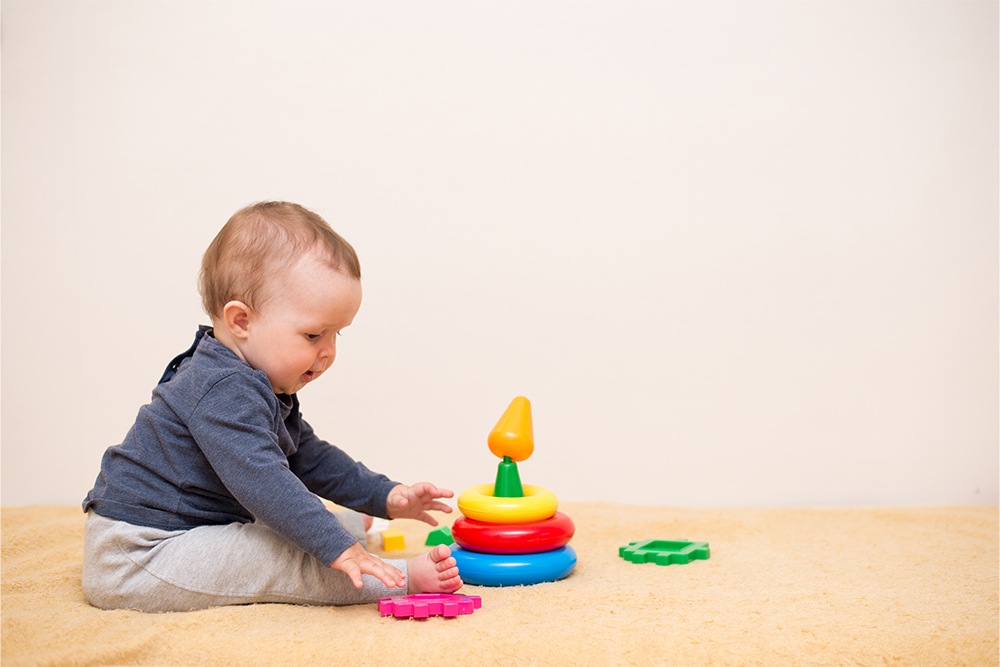
At Maxxi Childcare, we believe that the best learning happens when it’s joyful, engaging, and led by children’s natural curiosity. That’s why our approach is rooted in our philosophy of Playful Learning—because play isn’t just fun; it’s foundational.
From building friendships to boosting brain development, play is the heartbeat of early childhood. It’s in those joyful, imaginative moments—pretending to be astronauts, building castles out of blocks, or chatting through puppets—that children begin to develop the skills they’ll use for a lifetime.
When children are given the time and space to play freely, magical things happen. Here’s why:
1. Play Boosts Language and Communication
Whether they’re hosting a tea party with stuffed animals or giggling over silly sounds, children are constantly practicing language through play. These everyday moments help them make sense of words, gestures, and tone. It’s through playful interaction that vocabulary grows and self-expression blossoms.
2. Play Fires Up Their Thinking Skills
Play naturally supports cognitive development. As children explore, create, and problem-solve, they build critical thinking skills. From asking “what if?” to testing out new ideas, play is where children begin to make sense of how the world works.
3. Play Is Inclusive
Play speaks every language. Through movement, facial expressions, role play, and creativity, children connect with one another beyond words. Whether a child communicates verbally, through sign, or with gestures, play creates an inclusive environment where every child can belong and thrive.
4. Play Builds Strong Bodies and Busy Hands
From threading beads to climbing on outdoor equipment, active play strengthens muscles, fine motor skills, and coordination. These are essential building blocks for writing, self-care, and overall wellbeing. Plus, all that movement helps burn energy and promote better sleep and mood!
5. Play Sparks Connection and Confidence
Social skills like sharing, taking turns, and resolving conflict all grow through play. Children develop independence, resilience, and a sense of self-worth when they engage in meaningful interactions with others. These early experiences help shape confident, empathetic learners.
6. Play Nurtures Emotional Wellbeing
Play offers children a safe space to express feelings and work through emotions. Whether reenacting real-life situations or inventing new ones, children process their experiences in ways that help them understand and regulate their emotions—key for developing emotional intelligence.
7. Play Encourages Imagination and a Love of Learning
At Maxxi Childcare, we believe that when learning feels like play, it becomes something children want to do. When they follow their curiosity, lead their own adventures, and make discoveries in their own way, learning becomes a joyful and lifelong journey.
Different Types of Play, One Powerful Outcome
Experts, educators, and families all agree: play isn’t just beneficial—it’s essential. The United Nations even recognises play as a fundamental right of every child. Organisations like the NAEYC (National Association for the Education of Young Children) and leading child psychologists view play as one of the most effective ways to support development, foster resilience, and encourage a lifelong love of learning.
How You Can Support Playful Learning at Home
The good news? You’re probably already doing it! Every time you sit down to build a block tower, go outside for a nature walk, or ask your child what they’re pretending to be, you’re supporting their development through play.
Here are a few simple ways to keep the Playful Learning going at home:
- Let your child lead: Follow their interests and allow plenty of time for unstructured play.
- Offer open-ended materials: Items like cardboard boxes, scarves, or wooden blocks spark creativity and imagination.
- Prioritise outdoor time: Fresh air, freedom, and physical play are all part of a healthy, balanced day.
- Model curiosity: Let your child see you trying new things, asking questions, and exploring with joy.
- Be present: Sometimes, just sitting nearby and joining in sends the message that their play—and their ideas—matter.
At Maxxi Childcare, we know that play is where the magic of early learning begins. It’s how children explore the world, discover who they are, and connect with others. That’s why we’ll always champion Playful Learning—because it’s not just how children learn, it’s how they thrive.